
St Paul's Academy
History
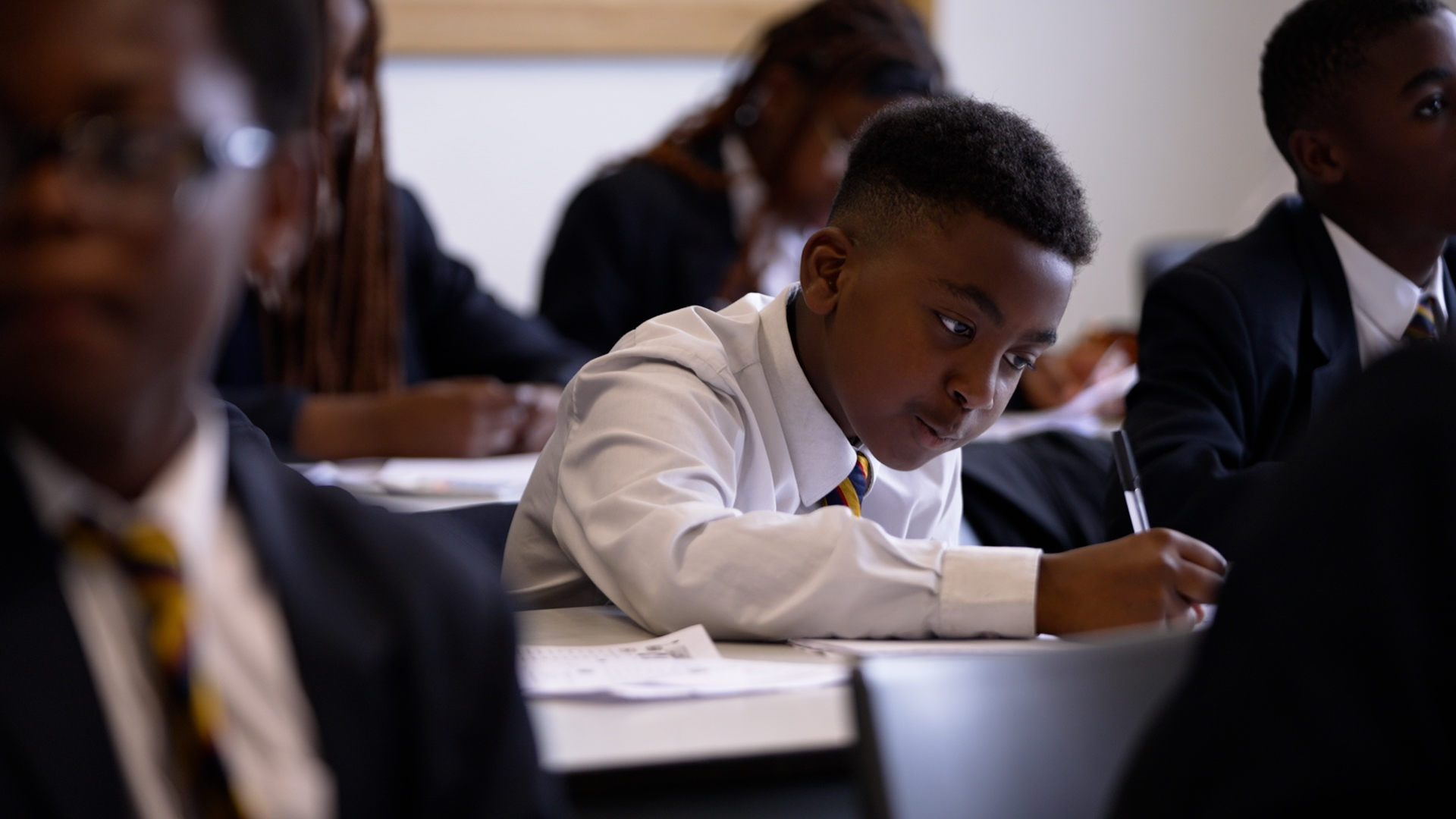
Why we teach History
Our vision for History at St Paul's
History helps students to understand the world in which we live today through studying events in the past. We use a variety of learning techniques to help students develop communication and written skills. They will find out about the causes and consequences of events locally, nationally and internationally. We aim to develop important historical skills through the use of sources and to comprehend and apply essential concepts such as utility, provenance and significance. The factors of power, religion and economics are at the core of many lessons, as well as human behaviour, where sensitive issues such as racism, religious intolerance and gender inequality are confronted.
Although history is a very important subject to support citizenship and to build a life-long interest, it is also very skills-based. It requires and promotes important life skills that are essential in the world of work and an understanding of life today. Students learn to process information and quantify its utility, as well as develop frameworks to communicate ideas and to demonstrate debate and argument. These skills are essential for business and careers in media, public service and human resources. At university level, history is a ‘facilitating’ subject, which means it is preferred for courses such as journalism, business, the civil service, the police, the law and teaching, where an analytical mind is needed to debate and problem-solve challenging projects. History is a route to many careers and helps the development of students’ skills through the use of historical sources and emphasis upon questioning their significance and utility. Students will produce both oral and written answers that demand evidence and explanation. They will come to understand key concepts such as propaganda, tone and message.
GCSE History
What will I study?
History is the study of past events. Continuing your History studies up to GCSE level will equip you with skills to interpret the world, understand cause and effect and to develop persuasive and informed written arguments. You will study a range of European and British history, all with relevance and impact to the lives we live today. Throughout the course, you'll develop an understanding of the key features and characteristics of the period study.
What skills will I develop?
The study of history is crucial for understanding the past, shaping the future, and interpreting the present. GCSE History explores key historical events, providing students with insights into British and global history, fostering critical analysis and interpretation skills. Students enjoy the diverse curriculum, which empowers them to construct arguments, communicate effectively, and develop cultural awareness. History uniquely allows students to voice their ideas through discussion and debate, cultivating skills sought by employers and enhancing their understanding of societal changes influenced by migration and cultural interactions.
How will I be assessed?
GCSE History is 100% assessed by examination and will consist of three written papers.
Paper One:
Thematic study and historic environment: 30%
Medicine Through Time c1250-present
Paper Two:
Period study and British depth study: 40%
Superpower relations and the Cold War 1941-1991. Early Elizabethan England 1558-88.
Paper Three:
Modern depth study: 30%
The USA, Conflict at home and abroad 1954-1975
Where can this course take me?
GCSE history is the best foundation for students who wish to study A-level history. It also develops a range of key skills that will serve you well in future study, work and life in general.
Students who complete this course will develop their skills of research, evaluation, interpretation and analysis. History is well regarded by colleges, universities and employers. The topics studied, and analytical skills gained make it a great choice for anyone interested in law, politics, humanities or social sciences.
Head of Department: Ms St Marie Gibbs
History Clubs:
Students are warmly invited to take part in the following:
| Name | Location | Day | Time | Students |
|---|---|---|---|---|