
St Paul's Academy
Art
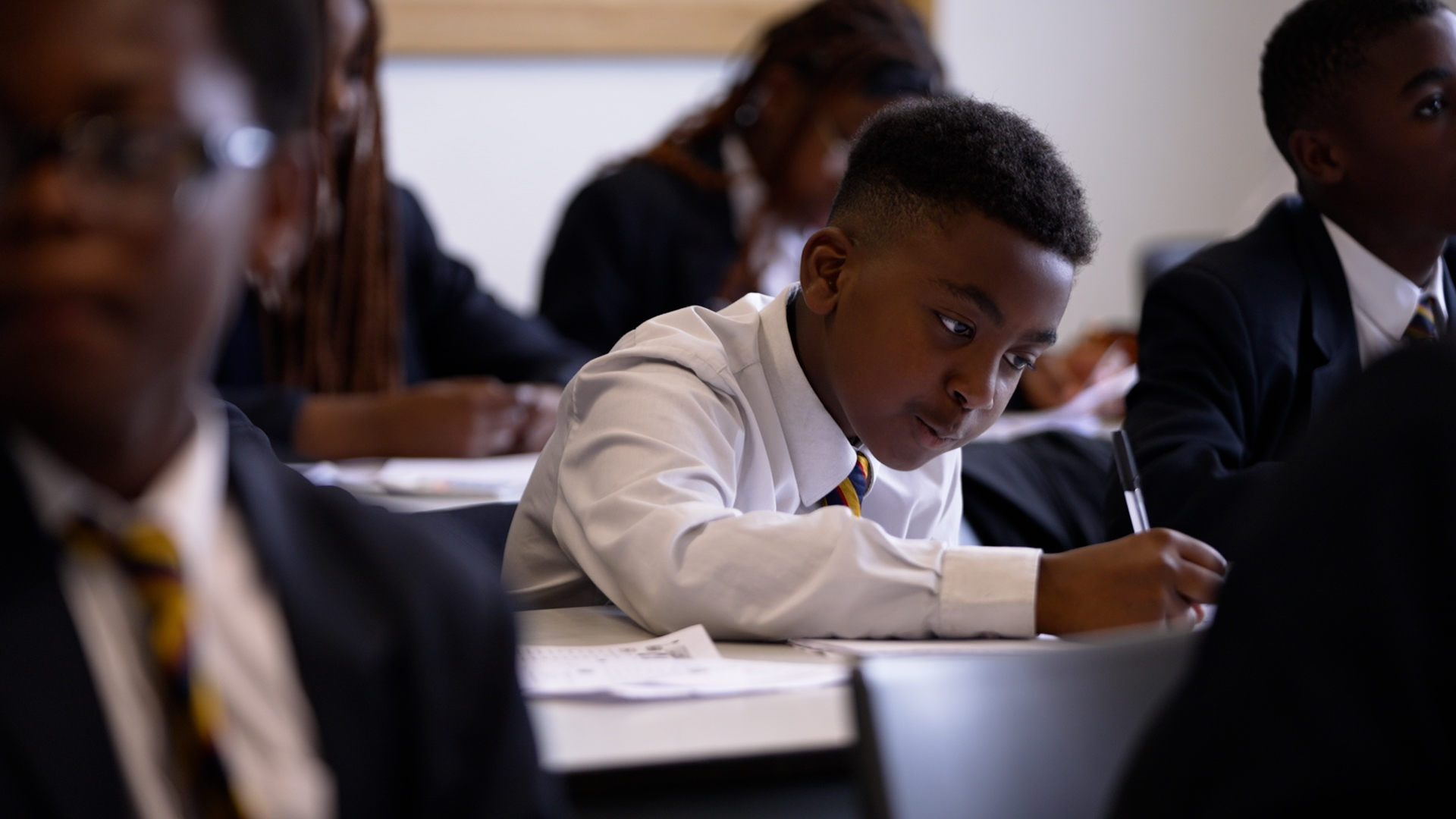
Art is not what you see, but what you make others see
- Edgar Degas
 Why we teach art
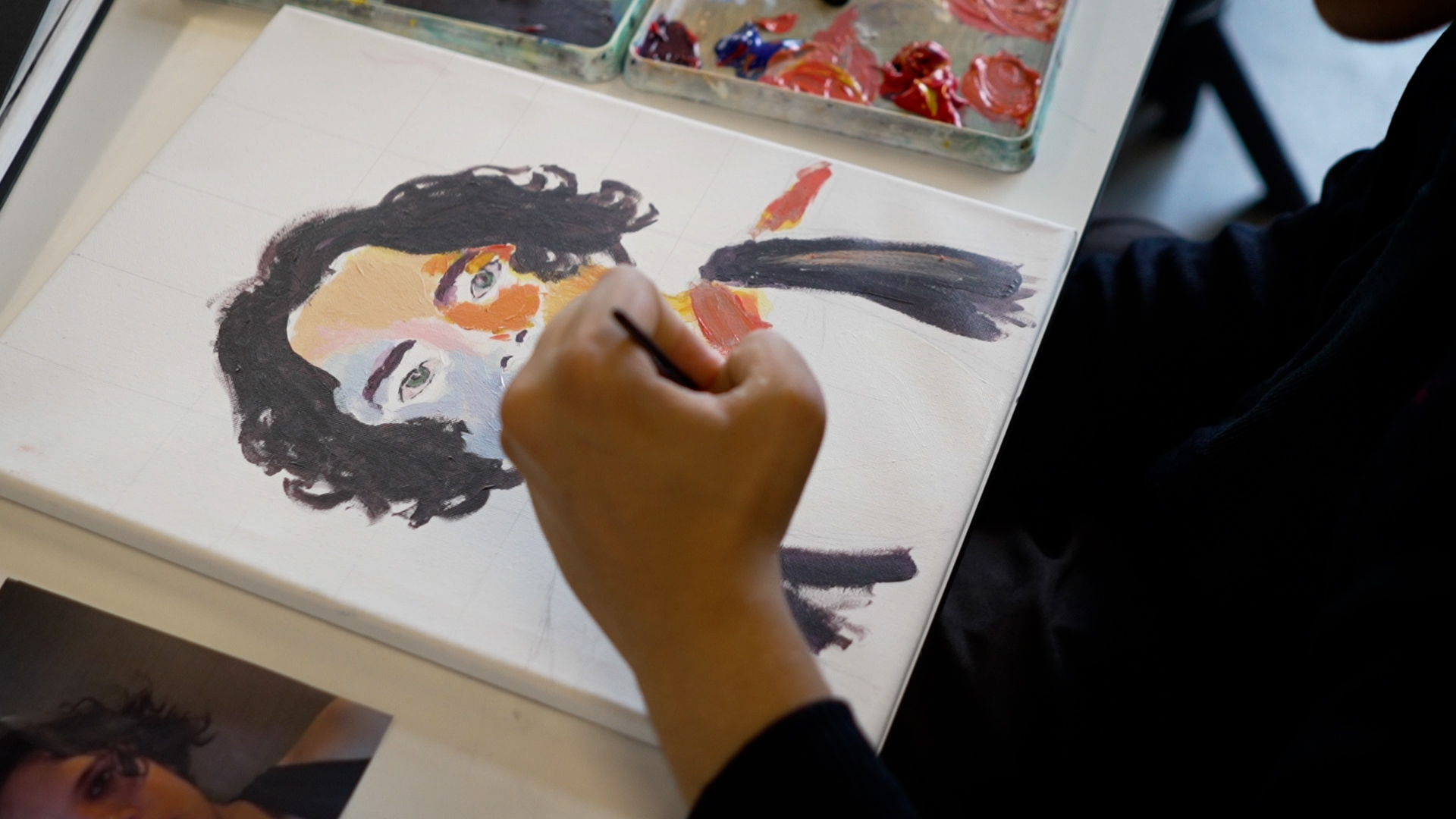
At St Paul’s, art is an important part of the curriculum as it underpins all the other subjects. In art, we learn to observe the world and everything around us, which helps us to understand ourselves and have an appreciation for the world. In art, we also learn skills in drawing, painting, printmaking, textiles, photography and 3D. We learn to develop these skills in creative and interesting ways. There is also an element of critical and contextual studies where students learn about important periods in art history and global culture.
GCSE Art
What will I study?
Fine Art involves creating work primarily for aesthetic, intellectual, or conceptual purposes rather than practical functions. Learners will develop skills and understanding in their chosen Fine Art area(s) by exploring techniques, processes, and critical sources, including historical and contemporary artists. They must demonstrate creativity in areas like drawing, installation, lens/light-based media, mixed-media, land art, printing, painting, and sculpture, using various processes such as painting, drawing, printing, carving, modelling, and digital media.
What skills will I develop?
Learners will learn to understand how sources inspire the development of their ideas. Reference will be made to the following:
- The study of artists' work and approaches of fine artists from contemporary and/or historical contexts, periods, societies and cultures, contemporary and/or historical environments, situations or issues.
- The ways in which meanings, ideas and intentions can be communicated through visual and tactile language, using formal elements, including: colour, line, form, tone and texture.
- Learners will learn the characteristics, properties and effects of using different media, materials, techniques and processes, and the ways in which they can be used in relation to learners' own creative intentions and chosen area(s) of Fine Art.
How will I be assessed?
The GCSE (9-1) has TWO components.
Portfolio 120 marks non-exam assessment (internally assessed and externally moderated) 60%
Component 01: Portfolio Learners should produce: A portfolio of practical work showing their personal response to either a centre or learner-set starting point, brief, scenario or stimulus. Externally set task: 80 marks, 10 hours exam non-exam assessment (internally assessed and externally moderated) 40%
Component 02: Externally set task – The early release paper will be issued on 2 January each year and will provide learners with five themes, each with a range of written and visual starting points and stimuli. A response should be based on one of these options.
Where can this course take me?
This GCSE course supports progression to AS/A-levels, Higher Education,
Further education, training, or employment. Its self-directed nature enhances skills valued by employers and higher education, showcasing self-motivation and creativity. Careers requiring GCSE art include architect, makeup artist, film/TV director, fashion designer, game designer, graphic designer, photographer, art therapist, teacher, and more.
GCSE Textiles
Exam board: OCR
What will I study?
GCSE Textile Design involves creating designs and products for various fabrics with a focus on fibres, yarns, and fabrics. Learners explore and develop skills in their chosen area(s), drawing inspiration from historical and contemporary designers. The course encompasses various Textile Design areas, including constructed textiles, digital textiles, dyed fabrics, printed fabrics, fashion design, installed textiles, soft furnishings, and stitched or embellished textiles. Techniques such as weaving, surface printing, pattern making, embroidery, knitting, batik, appliqué, and collage are creatively applied in the chosen area(s) of study.
What skills will I develop?
Learners will:
- Develop ideas through critical analysis of sources
- Apply relevant textile design practices
- Refine ideas through research, construction, and presentation
- Record ideas in ways appropriate to Textile Design, such as for printed fabric or constructed garments.
- Use drawing skills, including stitch, collage, and pattern creation
- Realise personal intentions in Textile Design through sustained application of the design process.
How will I be assessed?
The GCSE (9-1) has TWO components.
Portfolio (01)120 marks 60% non-exam assessment. Internally assessed and externally moderated.
Externally set task (02) 80 marks 40%. 10 hours non-exam assessment. Internally assessed and externally moderated.
Component 01: 60%
Portfolio Learners should produce a portfolio of practical work showing their personal response to either a centre- or learner-set starting point, brief, scenario or stimulus.
Component 02: 40%
Externally set task. The early release paper will be issued on 2 January each year and will provide learners with five themes, each with a range of written and visual starting points and stimuli. A response should be based on one of these options.
Where can this course take me?
Product Design/Development, Architecture, Interior Design, Surface Design, Fashion Design, Automotive Design, Computer Aided Design, Furniture Design, Clothing/Textile Technology, Material Science, Shoe Design, Costume Design, Textile Designer, Retail Buyer, Conservator, Embroiderer.
Head of Department: Ms Warriner